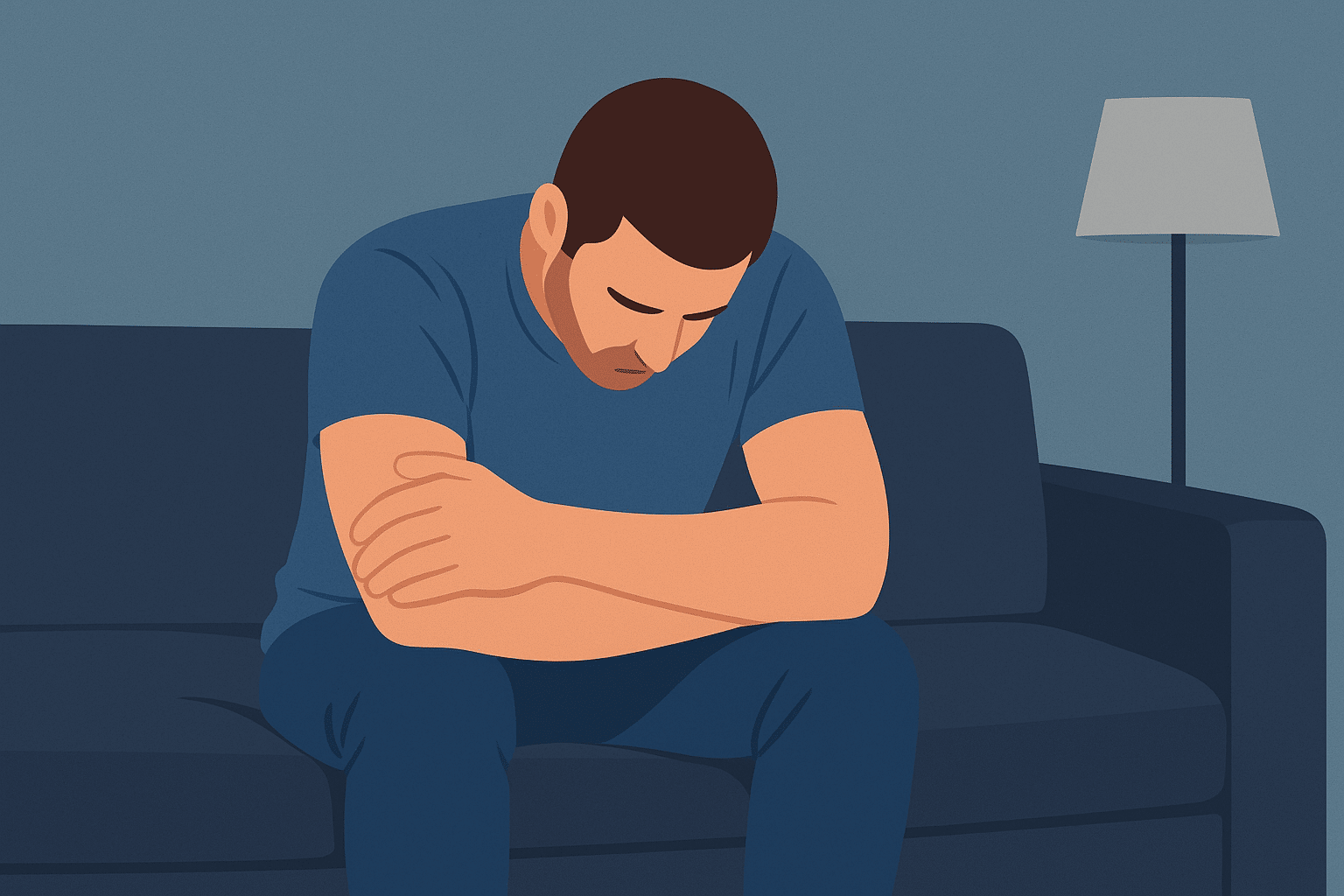




The transition into January often arrives with a quiet but heavy pressure to reinvent ourselves. The calendar flips, and suddenly we are surrounded by messages urging us to become more productive, more disciplined, and more motivated overnight. We are told to hit the ground running with ambitious resolutions at the exact moment when the days are the shortest and darkest of the entire year. If you find yourself feeling low on energy, unmotivated, or emotionally flat during this time, you are not failing. You are very likely experiencing the winter blues , a common and natural seasonal shift that affects many people.
Rather than seeing this season as a personal shortcoming, it can be helpful to understand what is happening in your body and mind. The winter blues are not a sign of weakness. They are a biological and emotional response to environmental changes, and acknowledging them with compassion is the first step toward navigating winter with more ease.
Understanding the Winter Blues
The winter blues are often characterized by a mild but persistent dip in mood, increased fatigue, difficulty concentrating, and a stronger desire to sleep or withdraw. Many people notice that their motivation drops and even simple tasks feel heavier than usual. This happens largely because reduced exposure to sunlight in winter disrupts your internal biological clock, also known as your circadian rhythm.
When daylight hours decrease, your brain produces less serotonin, a neurotransmitter closely linked to mood stability and feelings of well-being. At the same time, your melatonin levels, which regulate sleep, may rise or become dysregulated. This combination can leave you feeling sluggish during the day while still struggling with restful sleep at night. The winter blues are essentially your body adjusting to a darker, slower season.
It is important to recognize that while the winter blues are common, they are different from Seasonal Affective Disorder (SAD). SAD is a clinical form of depression that occurs at the same time each year, typically beginning in the fall and continuing through the winter months. Symptoms of SAD can include feeling depressed most of the day, losing interest in activities you once enjoyed, noticeable changes in appetite, and significant low energy. While SAD is more intense and often requires professional support, many of the coping strategies used for the winter blues can also be helpful for those experiencing SAD.
Why the “New Year” Pressure Can Make Winter Blues Worse
The cultural emphasis on transformation in January can unintentionally intensify the winter blues . When external expectations demand high energy and constant self-improvement, they clash with what our bodies naturally want during winter: rest, reflection, and conservation of energy. This mismatch can create feelings of guilt or inadequacy when productivity does not match the idealized version of a “fresh start.”
Understanding that the winter blues are a seasonal experience allows you to release some of this pressure. Winter does not need to be a time of radical change. Instead, it can be a season of maintenance, stability, and gentle care.
Give Yourself Grace During the Winter Months
Practicing self-compassion is one of the most powerful ways to support yourself through the winter blues . Grace means recognizing that it is okay to move more slowly and that your capacity may look different right now. Your body is responding appropriately to environmental cues, and honoring that response is a form of emotional intelligence, not laziness.
Lowering expectations around productivity can help reduce stress and burnout. Rather than pushing yourself to perform at your peak, consider what is realistic and nourishing during this season. Giving yourself permission to “winter” without guilt allows space for rest, emotional regulation, and resilience. When you meet the winter blues with understanding instead of judgment, they often feel more manageable.
Science-Backed Ways to Cope with the Winter Blues
While self-compassion is essential, there are also practical, science-backed strategies that can help counter the effects of reduced light and energy. These small, intentional shifts can make a noticeable difference in how the winter blues show up day to day.
Prioritize Natural Light
One of the most effective ways to ease the winter blues
is to increase your exposure to natural light. Spending time outdoors, even on cloudy days, or sitting near a window during daylight hours can help regulate your circadian rhythm. Getting outside within two hours of waking up is especially beneficial, as morning light signals your brain that it is time to be alert and awake.
Keep Moving, Gently
Physical activity plays a key role in managing the winter blues
because movement supports the release of endorphins and reduces stress hormones. This does not need to be intense exercise. Gentle movement such as stretching, yoga, or a short walk can be enough to improve mood and energy. The goal is consistency, not intensity.
Establish a Supportive Routine
Maintaining a regular sleep and wake schedule helps keep your internal clock steady, which can reduce the effects of the winter blues
. Even on weekends, waking up and going to bed around the same time can improve sleep quality and daytime energy. Simple routines also provide a sense of structure when motivation is low.
Nurture Social Connections
Social isolation can deepen the winter blues
, especially during colder months when people tend to stay indoors. Staying connected does not require large gatherings. A short phone call, a message to a friend, or a shared cup of tea can help maintain emotional closeness and remind you that you are not alone.
Optimize Your Environment
Your physical space can either support or drain your mood during winter. Reducing clutter, letting in as much natural light as possible, and creating cozy, calming areas can make your environment feel more supportive. Some people also find that uplifting scents like citrus or peppermint provide a subtle energy boost that helps counter the winter blues
.
If you feel that winter blues are getting to you, we at Bona-Fide Psychotherapy & Counselling are here to help. You can book a free 15-minute consultation with us here.
Sources:
● Mayo Clinic: Seasonal affective disorder (SAD) – Symptoms & causes
● Edmonton Southside PCN: The Winter Blues
● CTR Institute: 10 Ways to Beat the Winter Blues
● Mental Health Commission of Canada: Seven ways to cope with the winter blues